
Ferdinand Radi (1942-2004)
Theater and cinematographic actor. Playwright and athlete.
Born in Durres on August 29, 1942, in an intellectual family.
He was the grandson of Vincens Prendushi on his mother’s side, and of Lazër Radi on his father’s side. In 1945, with the liberation of the country, the family settled in Tirana. In his school years, F. Radi was noted for his subtle humor. He was agile, powerful and was also involved in sports.
Radi got his start in football, where from 1958 to 1962 he played with Dinamo’s first team, until he finished high school, but at some point he had to choose between sport and art. And Radi decided on scenic art. And this was influenced by the acquaintance with Kujtim Spahivogli, an acquaintance from which the life of Ferdinand Radi would later be determined.
Spahivogli became his friend and closest friend, who directly influenced his artistic formation.
In 1965, in addition to working at the “Partizani” plant, Radi also began his artistic activity with the amateurs of this plant.  It is activated with the Amateur Theater Movement in Tirana. In 1968, finished the directing course under the direction of Pandi Stillu and Pirro Mani.
In 1970, he attended a post-graduate course for directing under the direction of Kujtim Spahivogli. With the conviction of Kujtim Spahivogli in 1974, when Ferdinand Radi opened a big wound in his soul, his dream of becoming a professional actor came to an end.
Add here other political difficulties of the family, Radi did not manage to become one. However, in 1972, started working as a professional with the Youth Theater near the Higher Institute of Arts. F. Radi plays several roles here, but he stands out in that of a factory worker, Tak Faku in the drama “A friend of our class” by Kujtim Spahivogli.
In 1973 Radi was banned from participating in the National Theatre, only in 1991 he was accepted as a professional actor with this troupe.
On the stage of TK, he performed mainly secondary and episodic roles, aiming to create comic characters, rude people, mischievous people, or those with vices, such as in the shows: “Visit of the old lady”; “Whoever steals a leg is lucky in love”; “The Great Magic”; “Monserrat”;
His best roles in the theater are: Zeneli in “After two years”; Petriti “Friends”; Gangster “Visit of Old Lady”; Etiopas in “Aesop the Fox and the Grapes”; Raklifi in “Ricard III”; “Bregu i Pikellimit” as Grave digger; Kokeqethuri in “Crazy Island”.
At the same time, Ferdinand Radi also wrote and staged the comedies “8 persona plus” in 1995 and “Inspektori” in 1999 at the National Theater.
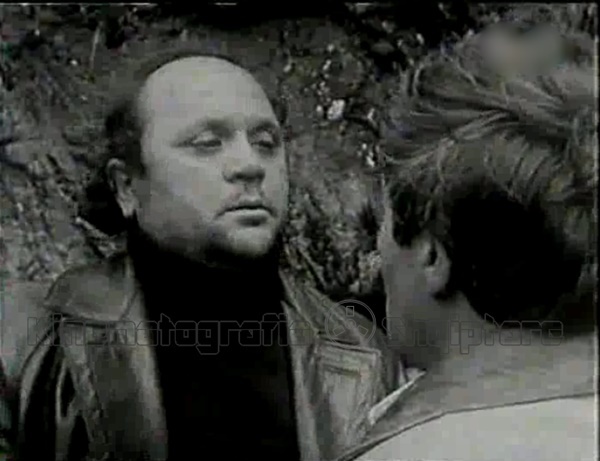
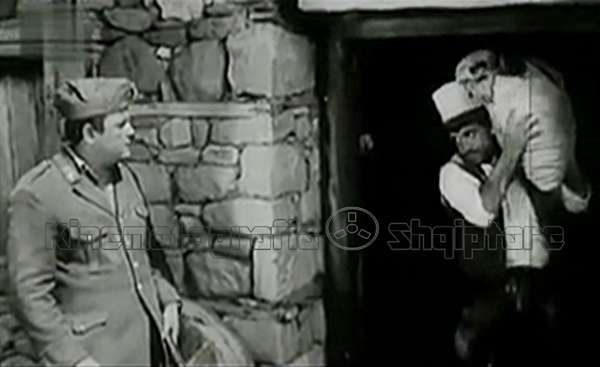
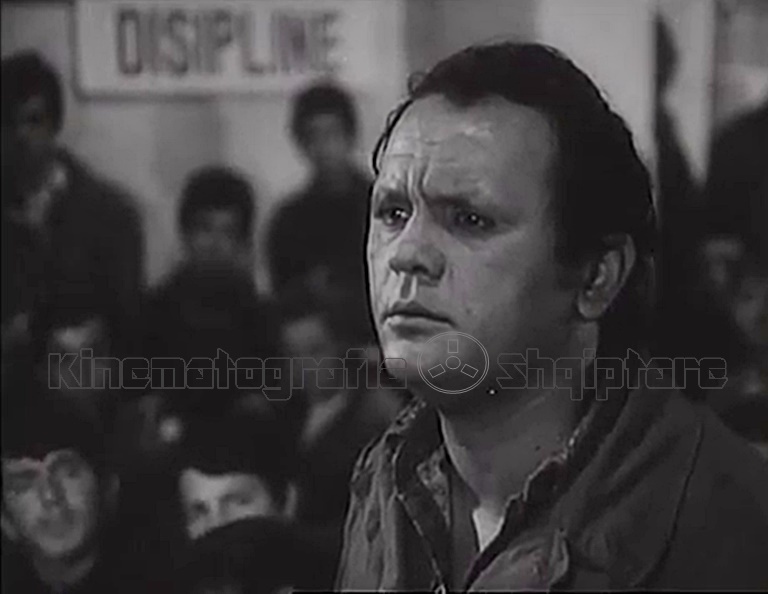
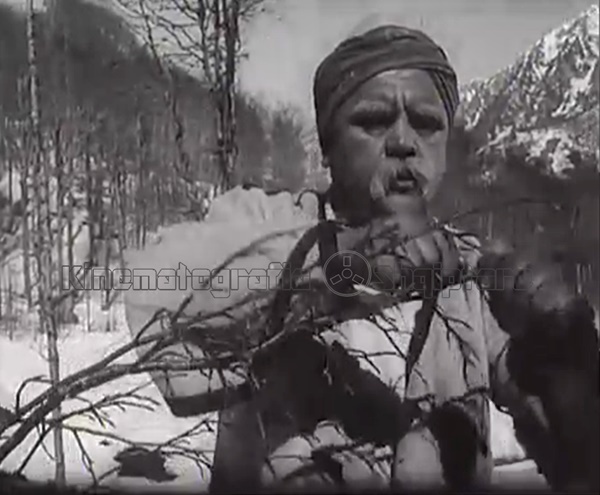
There is also considerable activity in the cinematography with about 13 films, among which we can mention Boti in “Ilegals” ( 1976); Zano to “The Third” (1978); captain Mevlani in “The Historian and the Chameleon” (1989), a film with which he also won the Festival Cup; captain in “Sketerre `43” (1980); “Qehajai” “The Ballad of Kurbin” (1990).

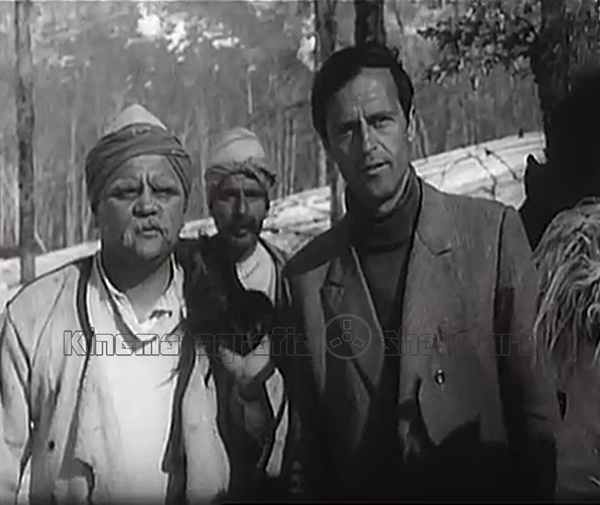


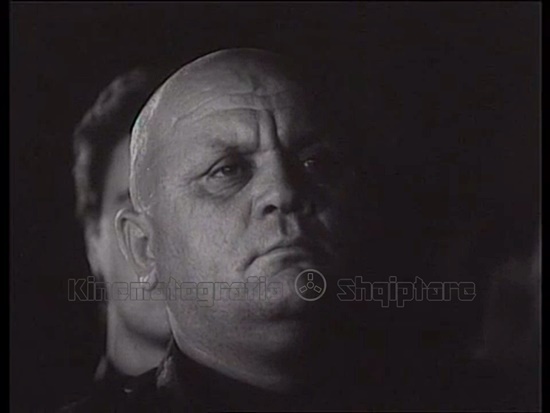
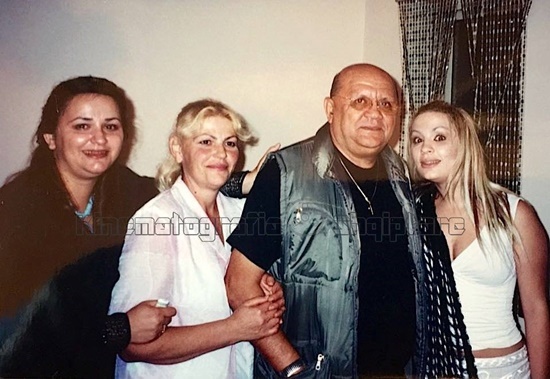
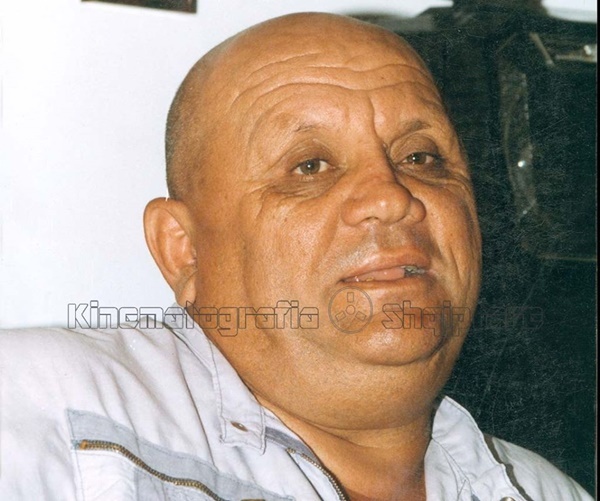
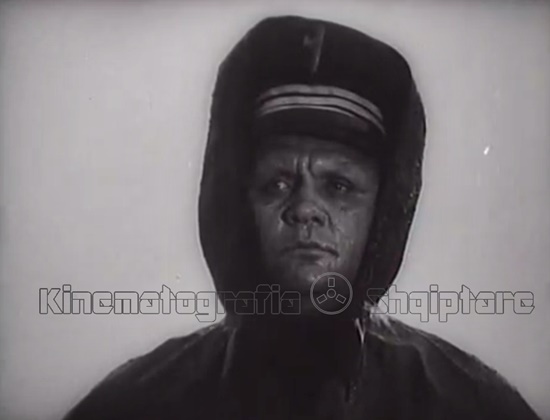
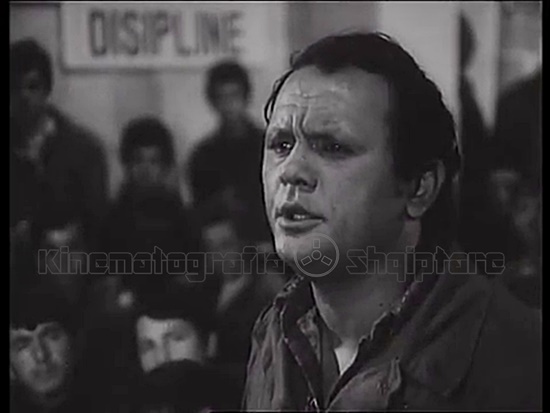


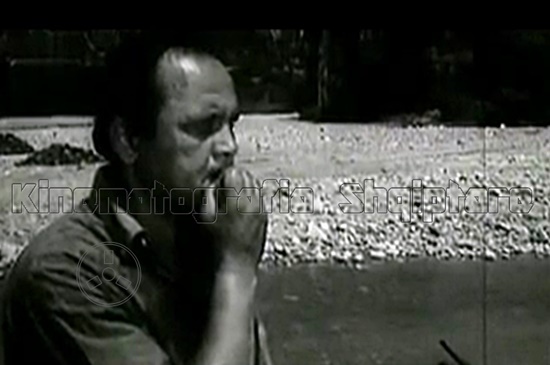
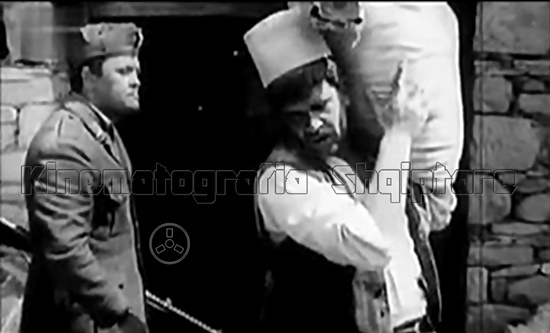
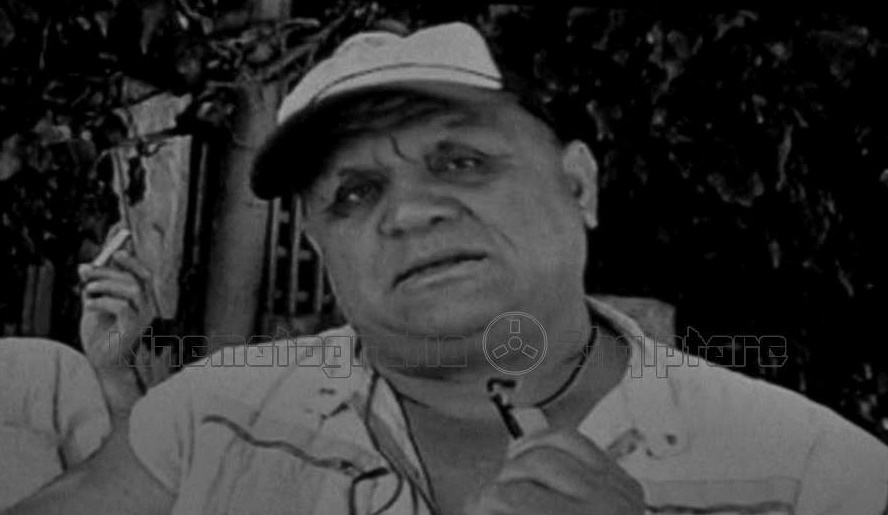
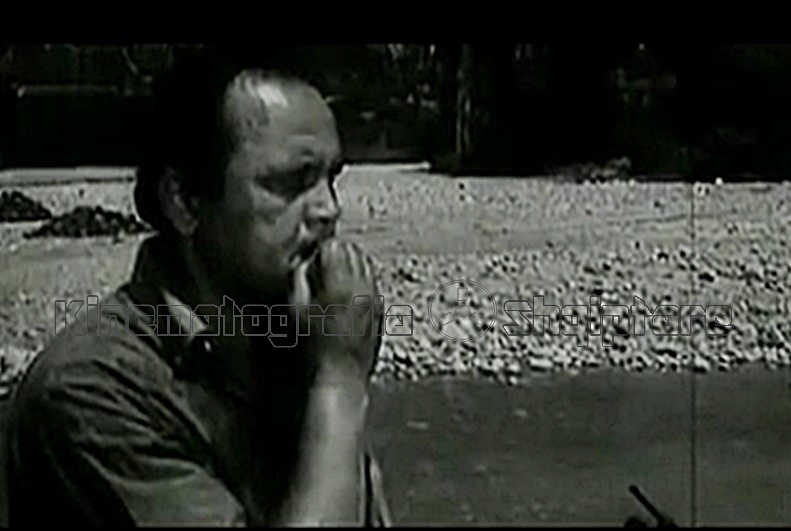
Ferdinand Radi was one of the most excellent actors in the comedy genre, big body, rough speech, expressive facial expressions.
He stood out in the interpretation for the truth, even in cases of exaggeration of the action or caricaturism of the characters. Radi was a researcher of funny events from the life of artists, in the form of anecdotes, with which he also wrote a special book on this topic in 2003.
Ferdinand Radi passed away on February 11, 2004.
Other roles in the Theater:
Stormy autumn / Vjeshte me stuhi (Kurti)
The fifth was taken alive / I pesti u kap gjalle (Gjeloshi)
The spring that never delays / Pranvera qe nuk vonoj (The silent man)
The prefect / Perfekti (Gendarme)
After two years / Pas dy vjeteve (Zeneli)
When the city was born / Kur po lindte qyteti (Njaziu)
A classmate of ours / Nje shok i klases sone (Tak Faku)
Bathroom / Banja (Vjellosupekti)
Much ado about nothing / Shume zhurme per asgje (Bogrer)
Other roles in the filmography
1969: Guerrilla unit / Njesiti Guerril
1971: When a day dawned / Kur zbardhi nje dite
1972: Conscience / Ndergjegja
1974: Path of war / Shtigje lufte
1975 :Alleys that sought sun / Rrugicat qe kerkonin diell
1977: The Colapse of Idols / Shembja e idhujve
1978: The Third / I treti (TV)
1980: Infernal 43 / Sketerre `43
1980: Martyrs of the Monuments / Deshmoret e monumenteve
1984: Green Field, Red Field / Fushe e kuqe, fushe e blerte
1984: Nothing is Forgotten / Asgje nuk harrohet
1986: When separated from Friends / Kur ndahesh nga shoket
1987: Spring Again / Perseri pranvere
1989: The Historian and the chameleon / Historiani dhe kameleoni
1990: Who’s the Killer / Kush eshte vrasesi
1990: The Ballad of Kurbin / Ballada e Kurbinit
1991: The Death of the Horse / Vdekja e kalit
1994: A Little Fresh Tonight (Tele Comedy) / Pak fresk sonte
1997: The Night / Nata

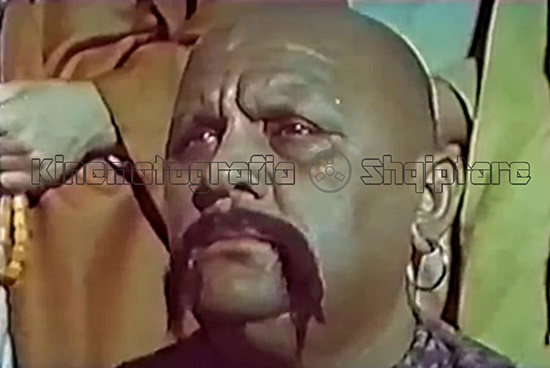
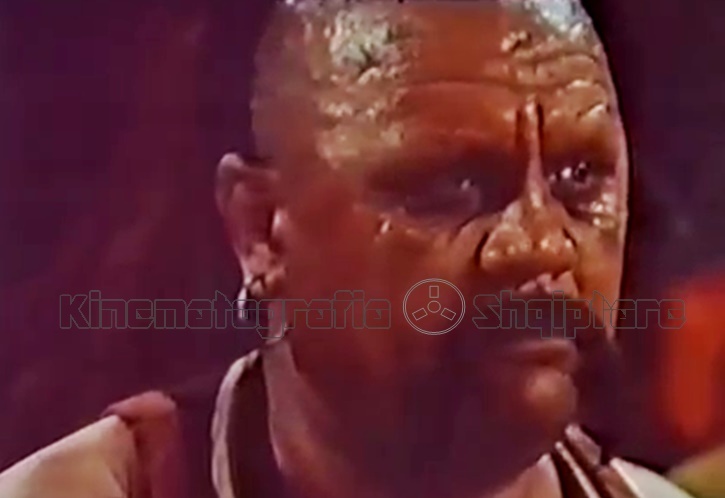
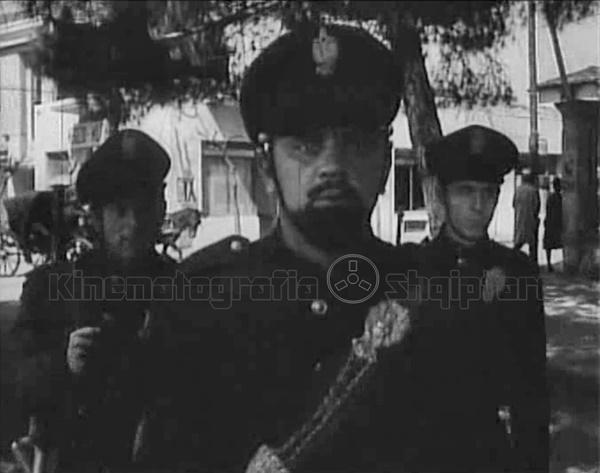




Published for the first time on the page “Albanian Cinematography” on Facebook in August 2016.
__________________________
Albanian Cinematography in activity since 2013
Reference: “Encyclopedia, Theater and Albanian Cinema” – Toena 2009 / p. 382. Book: “60 years of National Theater 1945-2005” – Publishing House 55 / p. 122 / Like Wikipedia and various news from the online Albanian newspaper.
Follow us:
Blog: https://albaniancinematography.blogspot.com/
Vimeo:   Albanian Cinematography (vimeo.com)
Facebook: https://www.facebook.com/ksh.faqjazyrtare
Dailymotion: https://www.dailymotion.com/kinetografiashqiptareartisporti
YouTube: https://www.youtube.com/channel/UCDRYQ5xCyGkfELm3mX8Rhtw
Discover more from Albanian Cinematography - Sport
Subscribe to get the latest posts sent to your email.


